The exhibition hall “Independent Kazakhstan” was opened in 1992 following the proclamation of the country’s independence. The chronological scope of the exhibition covers the period from 1991 to the present day. The hall reflects the main stages in the formation and development of the sovereign state, as well as the political, economic, and social transformations, modernization processes, strengthening of national unity, and the growing international standing of the Republic of Kazakhstan.
The exhibition begins with the presentation of key documents that laid the legal foundations of independence. Among them are the Declaration of State Sovereignty of the Kazakh Soviet Socialist Republic, Law on Renaming the Kazakh Soviet Socialist Republic as the Republic of Kazakhstan, and other materials of particular significance to the history of Kazakh statehood. Subsequent thematic sections highlight the major events and transformations of the independence period, including the establishment of the system of state governance, the adoption of national symbols, the introduction of the national currency – the tenge, the relocation of the capital, and its development into the country’s political, economic, and cultural center. Particular attention is given to issues of strengthening sovereignty and developing state institutions.
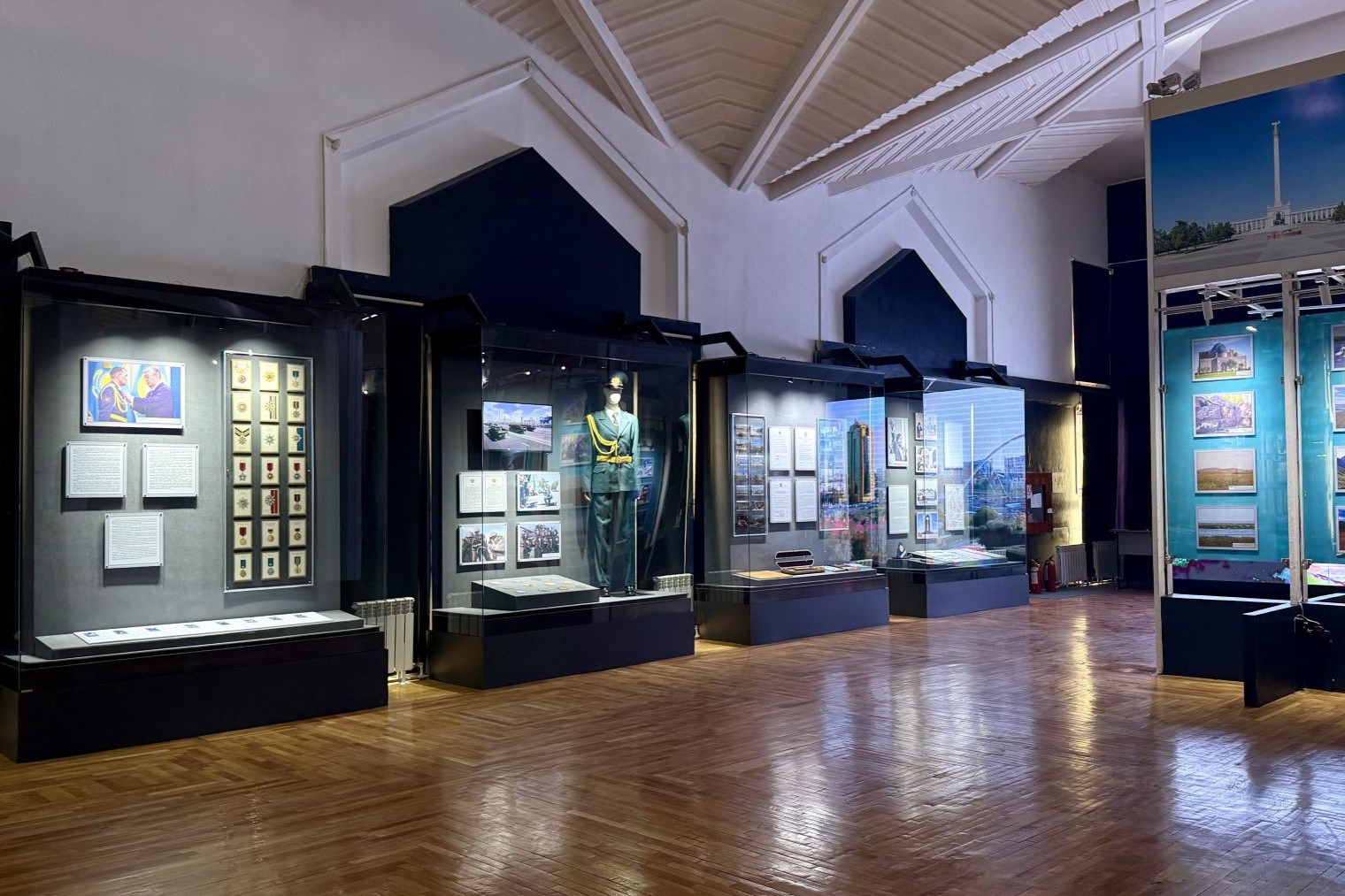
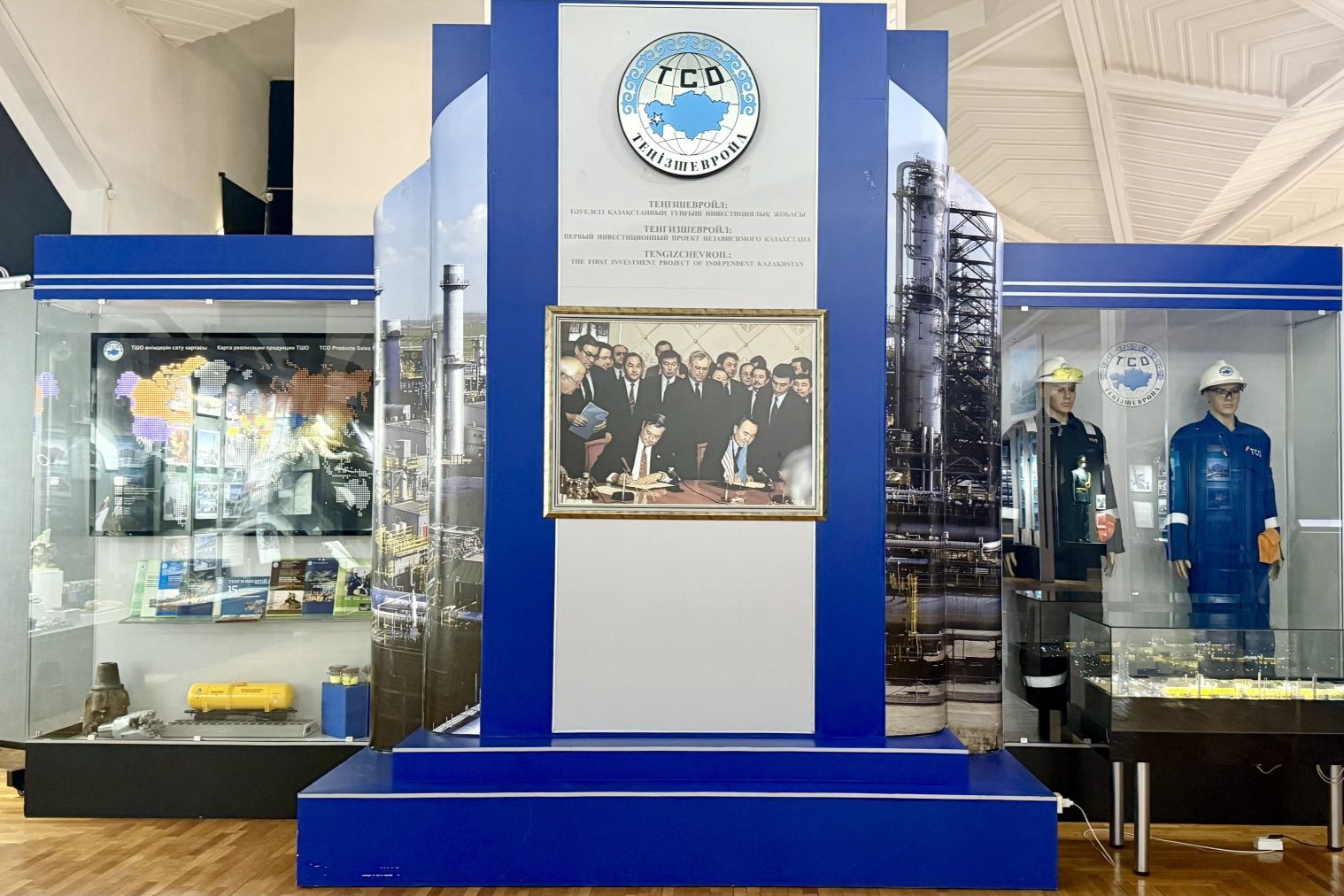
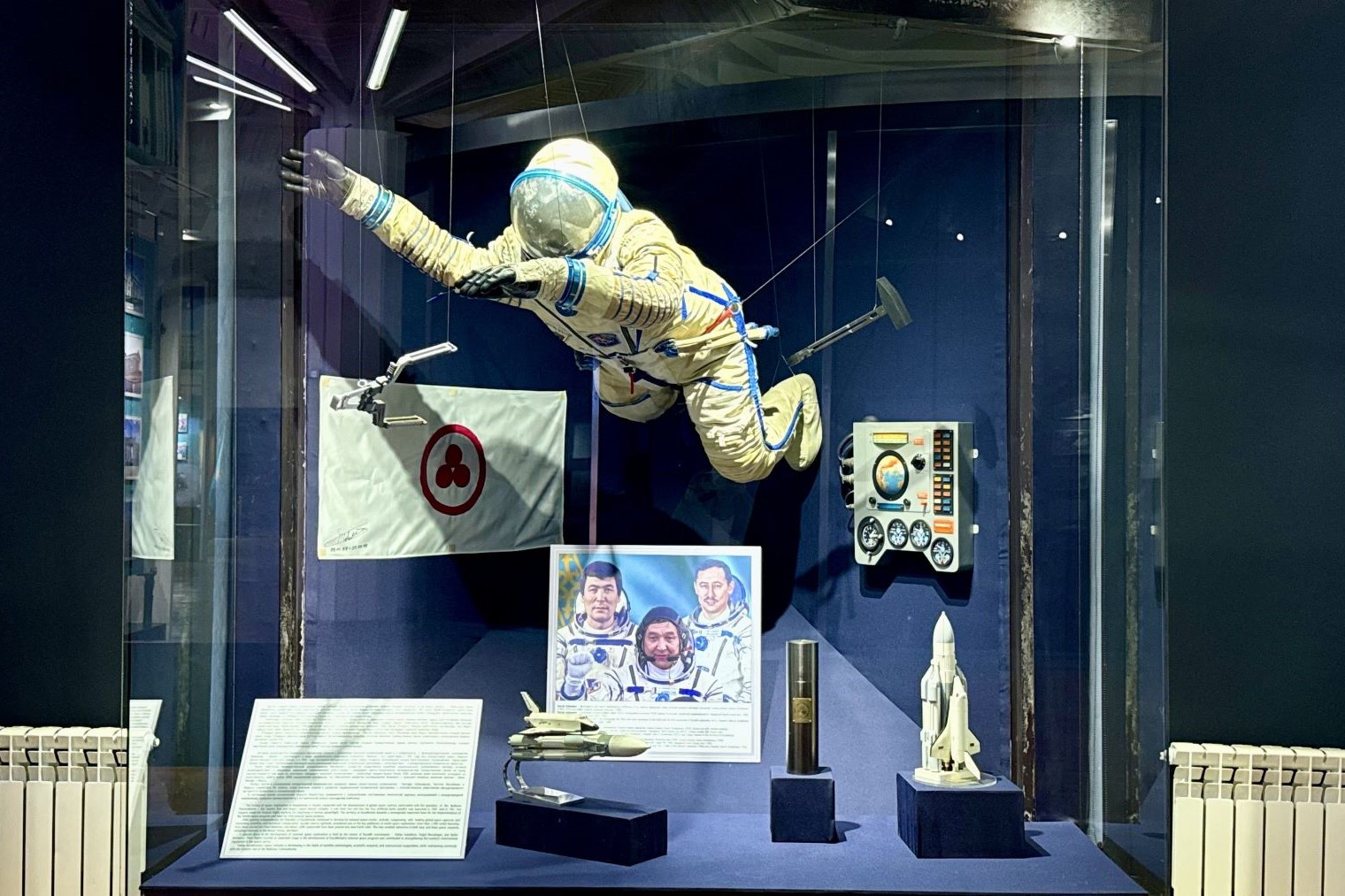
The hall displays documents, photographs, state awards, samples of the national currency, archival materials, and other museum objects that illustrate the most important milestones in the development of modern Kazakhstan. Separate thematic sections are devoted to the activities of the President of the Republic of Kazakhstan, the development of the Armed Forces, the closure of the Semipalatinsk Nuclear Test Site, the growth of the oil and gas industry, as well as achievements in the fields of culture and sports. The exhibition also includes photographic materials highlighting Kazakhstan’s accomplishments in space exploration and industrial development, UNESCO World Heritage Sites located within the country, and the landmark attractions of Almaty, one of the nation’s largest cultural, scientific, and social centers.
Modern multimedia technologies complement the museum objects and documentary sources, providing visitors with a more engaging and visually accessible understanding of historical events and contributing to a deeper appreciation of the key stages in the development of the Republic of Kazakhstan.